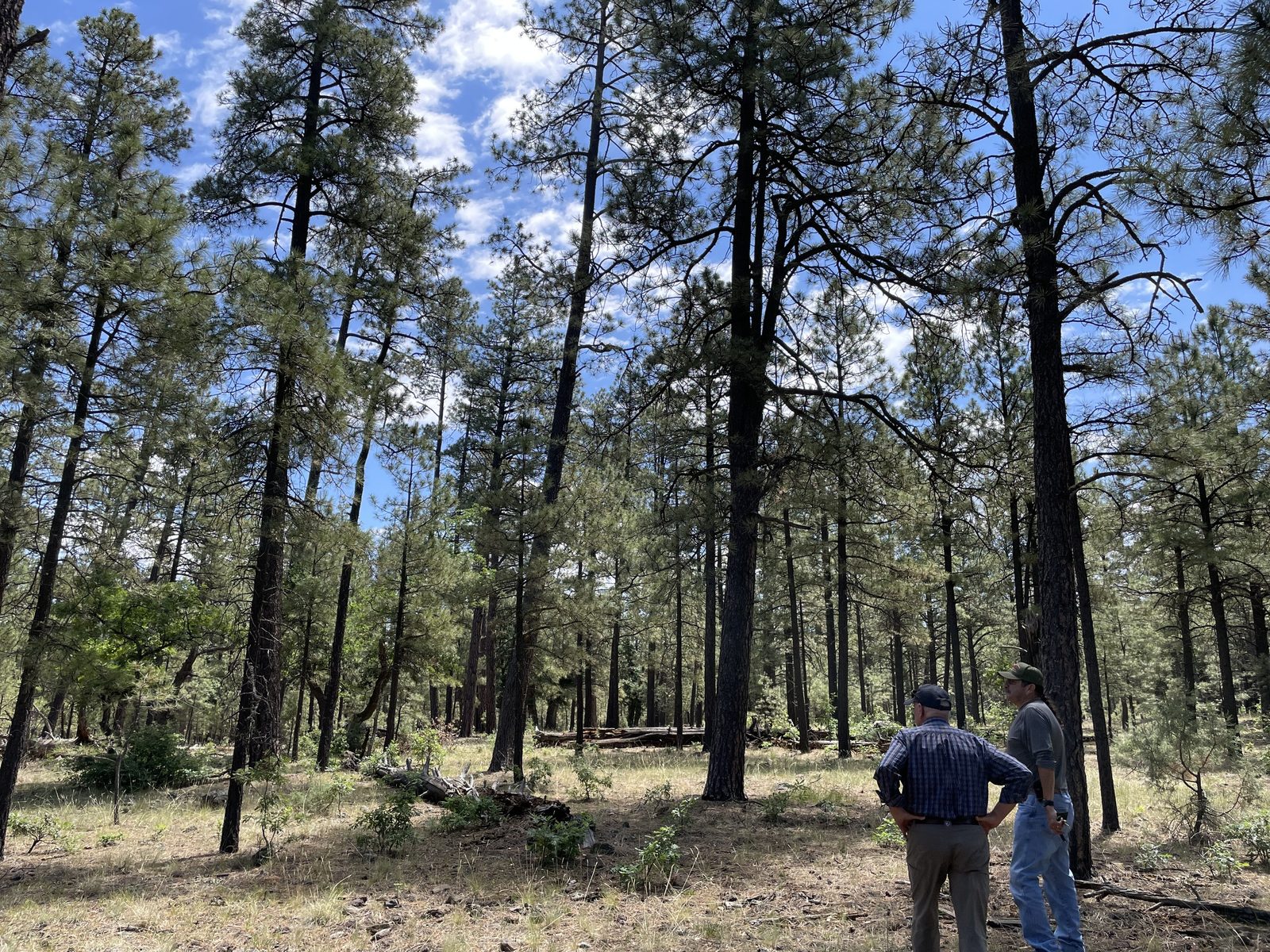
A national forest is public land managed by the U.S. Forest Service, which is part of the U.S. Department of Agriculture. Together with national grasslands and a few related units, these lands make up the National Forest System.
How many, and how much land
The Forest Service’s “By the Numbers” page, current as of August 1, 2025, gives these official figures:
- National forests
- 154
- National grasslands
- 20
- Acres in the National Forest System
- 193,145,865
- Visits each year
- 160 million, to national forests and grasslands
- Trails
- 164,000 miles
- Wilderness
- 37 million acres of wilderness areas
- Drinking water
- 80 million Americans get clean drinking water from national forests
The agency’s organization page says National Forest System lands are in 44 states, Puerto Rico, and the Virgin Islands, and that they make up 8.5 percent of the total land area of the United States. The public Forests and Grasslands directory lists units in the states and Puerto Rico shown on this site’s region and state index. This site does not attempt to name a Virgin Islands unit that was not in that directory.
Multiple use
Congress established the Forest Service in 1905. In a March 2025 agency booklet, Meet the Forest Service, the Forest Service says it was created “to manage forested lands for multiple uses, including wood for timber and fuel, drinking water, forage, wildlife habitat, and recreation.”
The same booklet defines multiple use as “managing resources for the best combination of uses to benefit the American people while conserving the productivity of the land and the quality of the environment.” It also quotes Gifford Pinchot, the first Chief of the Forest Service, who described the purpose as managing the nation’s natural resources “for the greatest good, for the greatest number, for the longest time.”
The Forest Service’s stated mission, in that same publication, is “to sustain the health, diversity, and productivity of the Nation’s forests and grasslands to meet the needs of present and future generations.”
National forests and national parks
National forests and national parks are both public land, but they are not the same system and they are not run by the same agency.
- National forests and national grasslands are managed by the U.S. Forest Service in the Department of Agriculture, under the multiple-use approach described above.
- National parks are managed by the National Park Service in the Department of the Interior. This site does not describe Park Service policy; use nps.gov for official park information.
Some well-known landscapes sit near both kinds of land. A national forest may allow a wider mix of uses than a neighboring park. The official forest or park page is the place to check what is allowed in a particular area.
How the Forest Service is organized
The agency describes four levels: a Washington headquarters (the Chief reports to the Under Secretary for Natural Resources and Environment at USDA); nine geographic regions, numbered 1 through 10 (Region 7 was absorbed into other regions some years ago); 154 national forests and 20 grasslands, each with a forest supervisor; and more than 600 ranger districts, which the Forest Service calls the usual first point of contact for visitors. Districts, the organization page says, “vary in size from 50,000 acres to more than 1 million acres.”
Browse the regions and state index, or start with the Shawnee National Forest if you are visiting southern Illinois.